
Media Literacy for the Digital Era: The Ultimate Guide for Schools and Districts
The digital age demands a new approach to media literacy. To keep pace, we’ve crafted an essential guide with the most current insights, practical strategies, and interactive activities.
Our Latest Offerings

Britannica english
Dynamic practice for English language learners
Early Elementary education
Unlock potential in young learners

Higher education reference suite
Reshape learning in your institution


Professional Learning Services
Grow, retain, and inspire exceptional educators

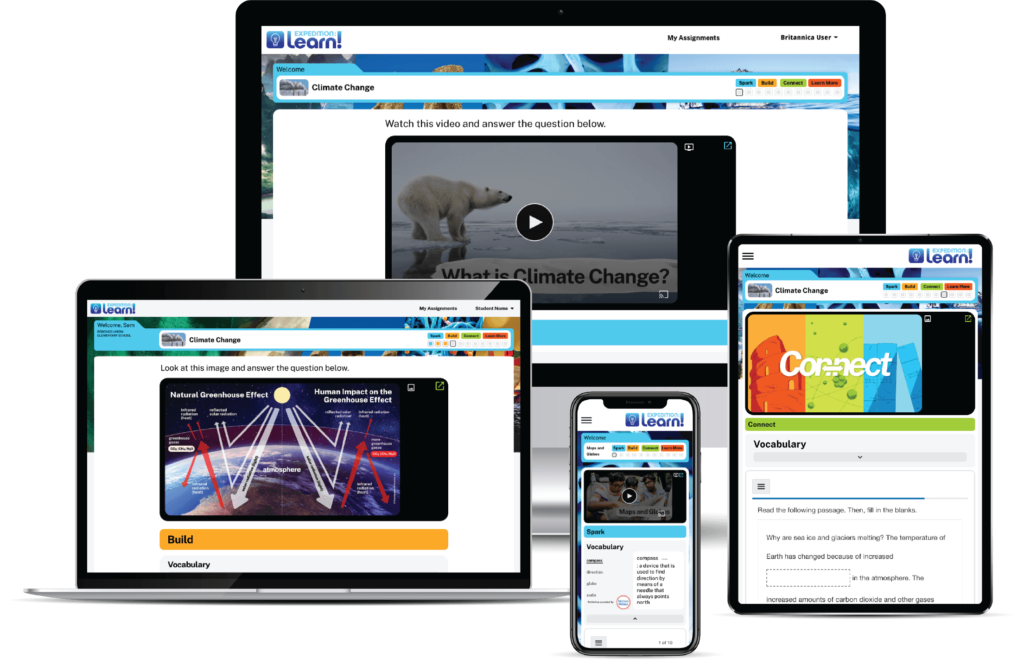
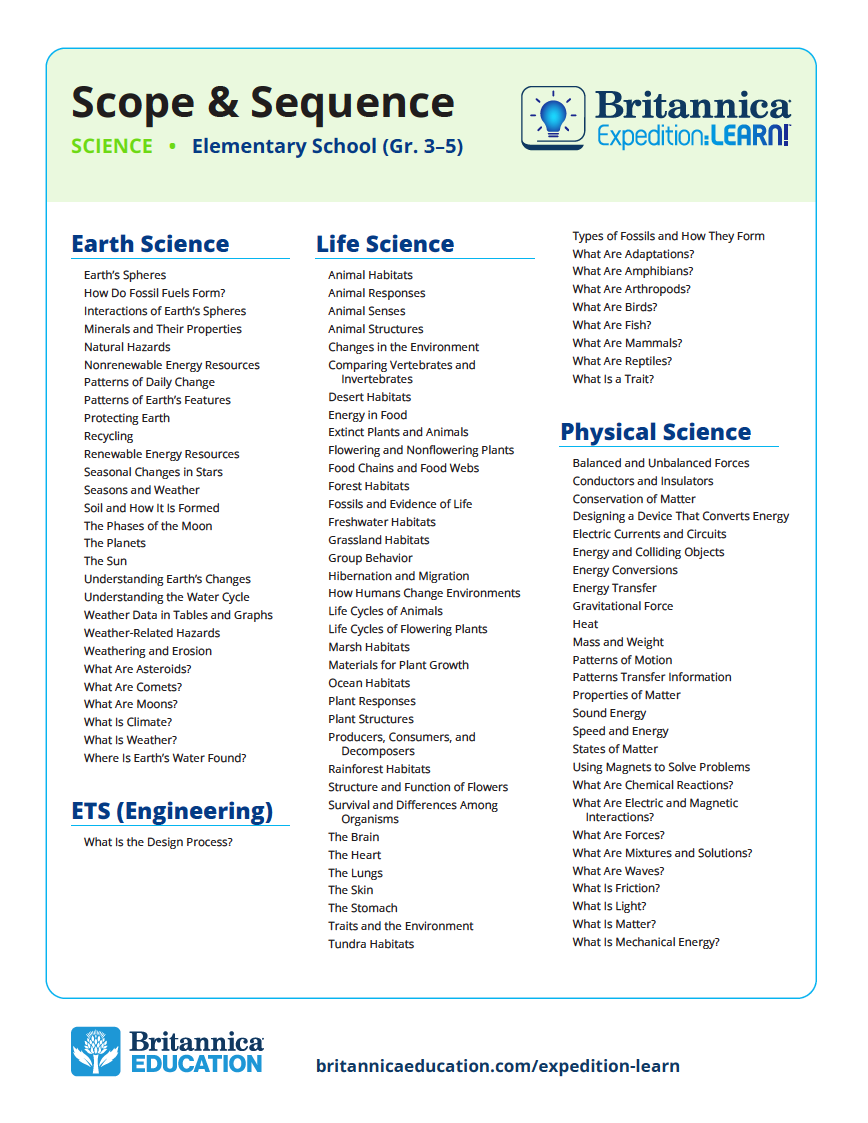
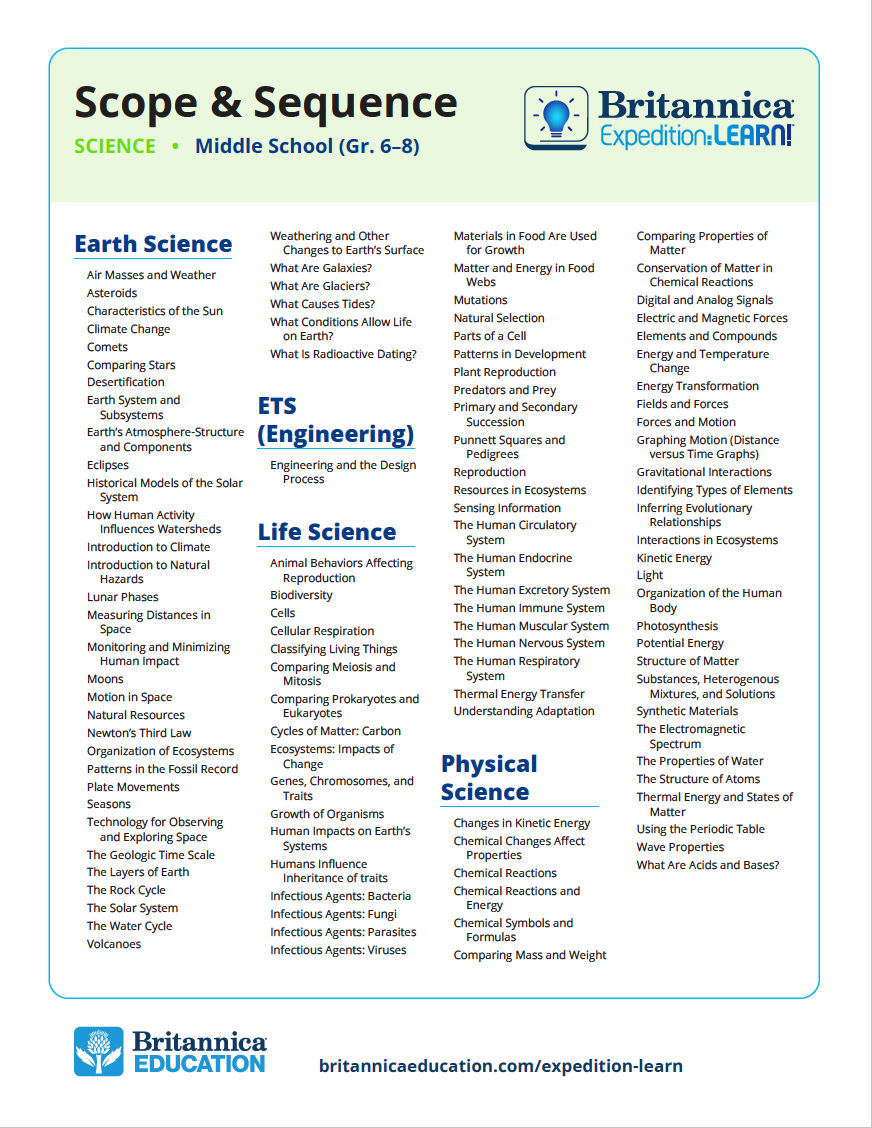
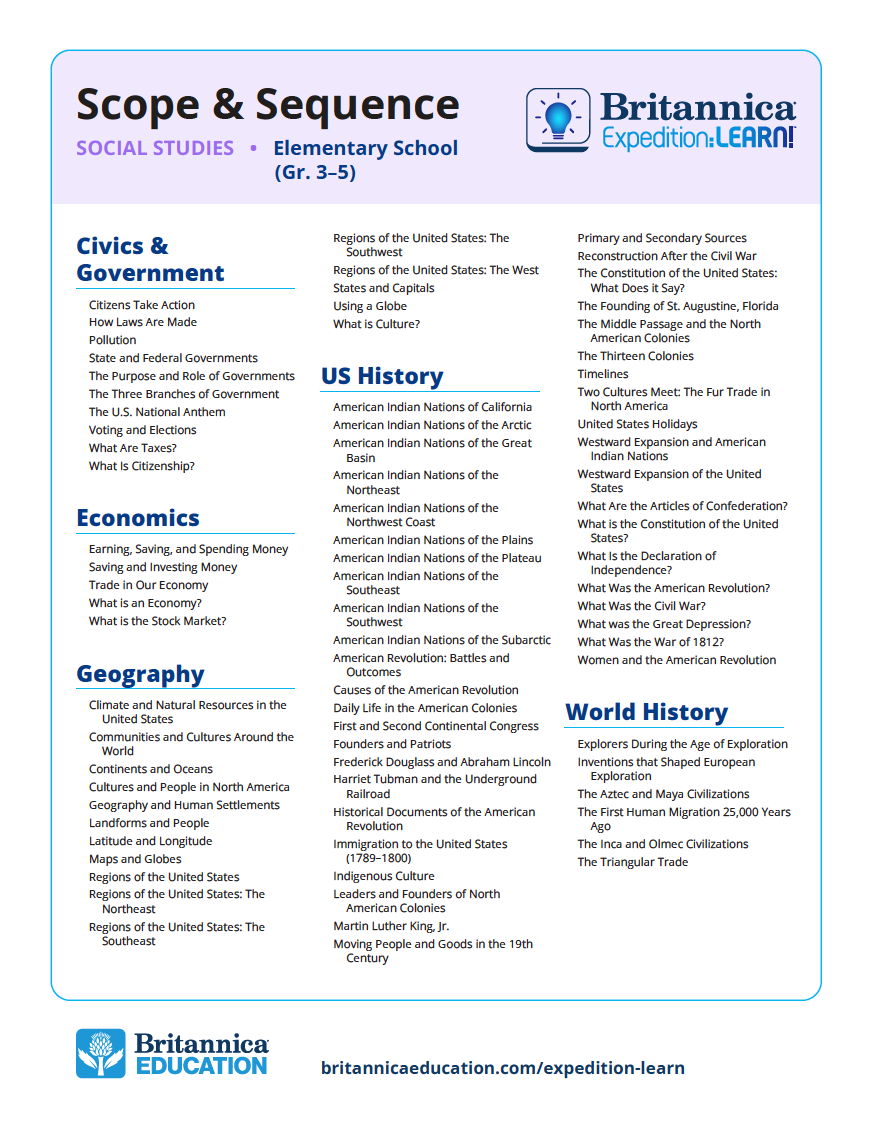
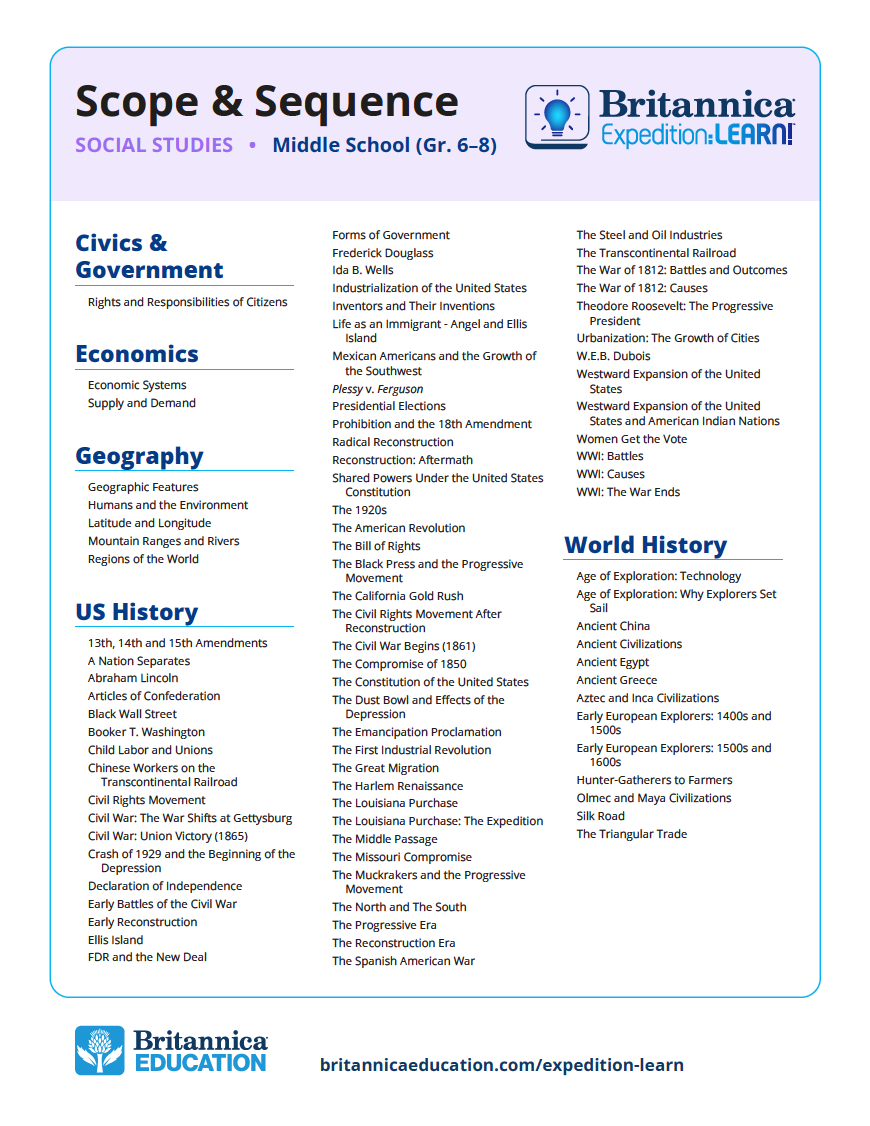
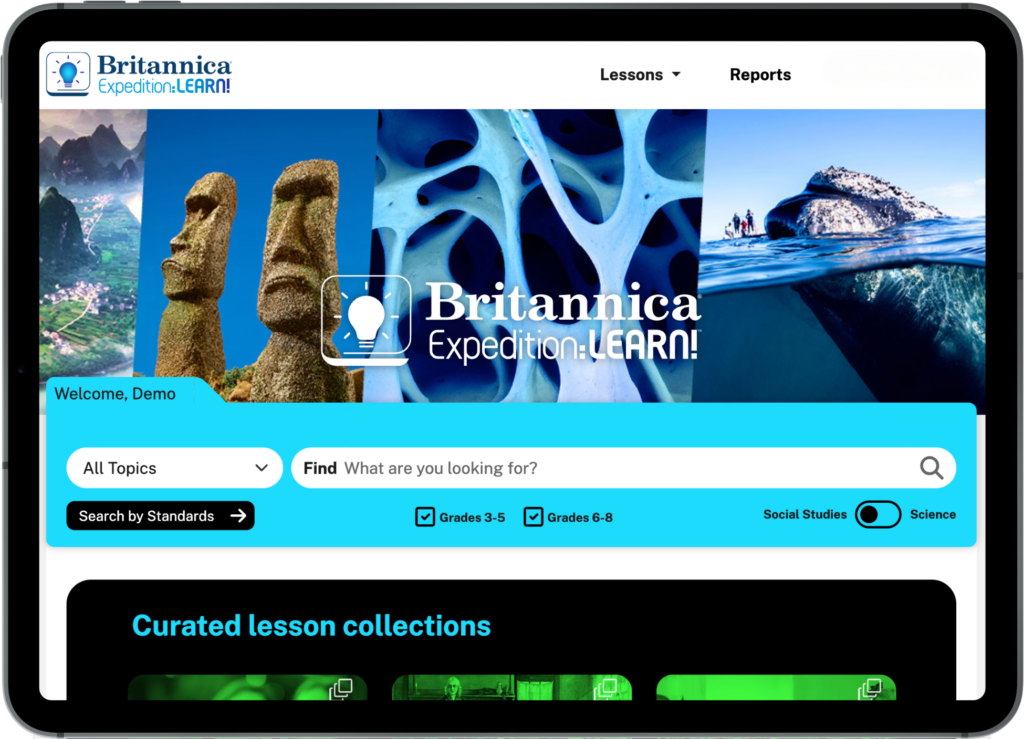
Expedition: learn!
Support science, social studies, and literacy skills
Looking for other resources?
Customize your learning experience with captivating resources, immersive multimedia, interactive activities, from an extensive suite of trusted and secure PreK-12 learning platforms.
Empowering Educators, Unlocking Student Potential
Our purpose is to empower educators to create engaging and meaningful learning experiences that ignite curiosity in their students. We believe that every student has the ability to learn and grow, and we are committed to supporting educators in their efforts to help their learners reach their full potential.

Crafting Engaging Learning Environments
To achieve this goal, we take a distinct approach that combines an expansive and diverse collection of educational resources, including nonfiction articles, images, videos, and interactive activities, with ongoing professional learning and support for educators. We believe that by providing PreK-12 educators with the tools and support they need, we can help them create a learning environment that inspires and engages learners of all abilities.
Comprehensive Support for All Educators
Our solutions include a vast selection of standards-aligned digital curriculum resources, assessment tools, and professional learning services that are designed to help educators effectively and efficiently plan, deliver, and assess instruction. Whether you are a teacher, curriculum specialist, or administrator, Britannica Education has the go-to support you need to help you succeed in your role.

Professional Learning Services

Activate Success with Personalized Support
In addition to product training, our education consultants help implement and expand access across your schools, district, and community.

Improve Teaching with Enhance Practice Workshops
Get expert insight and skills training in today’s most important areas, including instruction strategies, early learning, and inclusivity.

Tailor Your Path with Growth Services
Partner with our team to develop your ideal pathway for mapping your curriculum, aligning your standards, and building internal capacity.
The Latest From Our Blog
-

AANHPI Heritage: Awaken Your Inner Hero
Bring Asian American and Native Hawaiian/Pacific Islander (AANHPI) Heritage Month into your classrooms with this interactive superhero lesson! Students will explore a…
-

20 Buzz-Worthy Trivia Questions About Spring
Spring has sprung, and with it comes our thrilling trivia challenge! Embark on a journey where tiny hummingbirds defy weight, bees master…
-

Interactive Earth Day Lessons for a Greener Tomorrow
This Earth Day, dig deep into our planet’s natural wonders, environment, biomes, and all the living beings, big and small, that call…

Find attention-grabbing content for tomorrow’s lesson, delivered to your inbox each month!


Discover if you have access! Several states and prominent institutions have joined Britannica to elevate their learning experience. Are you among them?