Britannica School

Three Levels of Learning—Elementary, Middle, and High—for the Classroom, Library, or Home

Improve student performance, strengthen teacher effectiveness, and maximize the use of your technology with Britannica School, the teaching and learning resource with the DIGITAL difference!

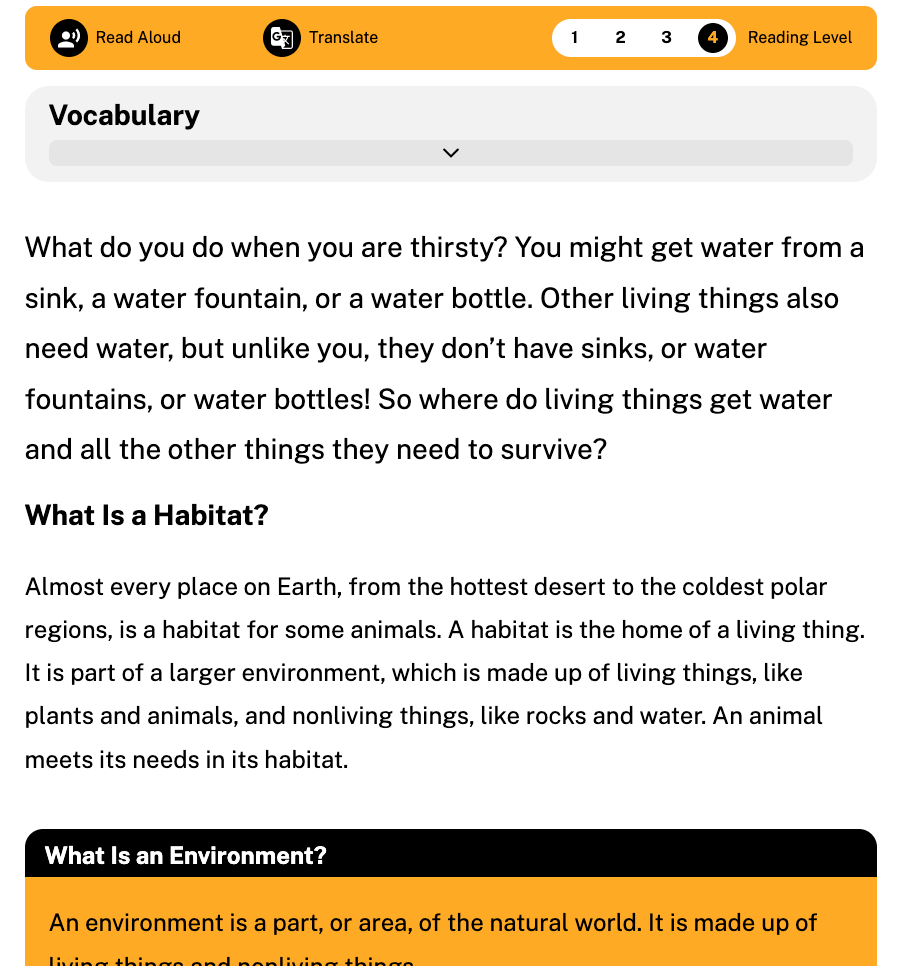
Support for Differentiated Learning

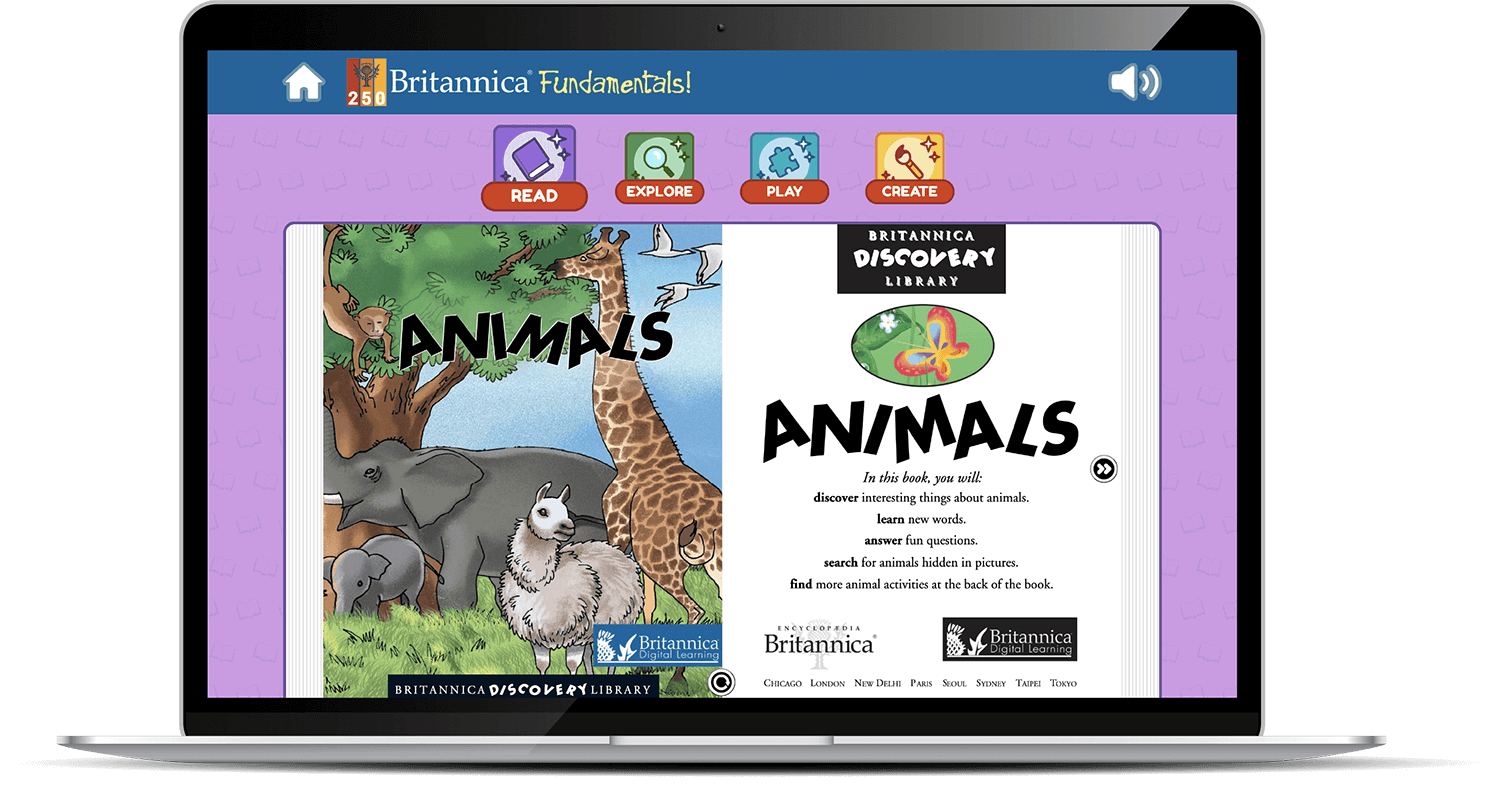
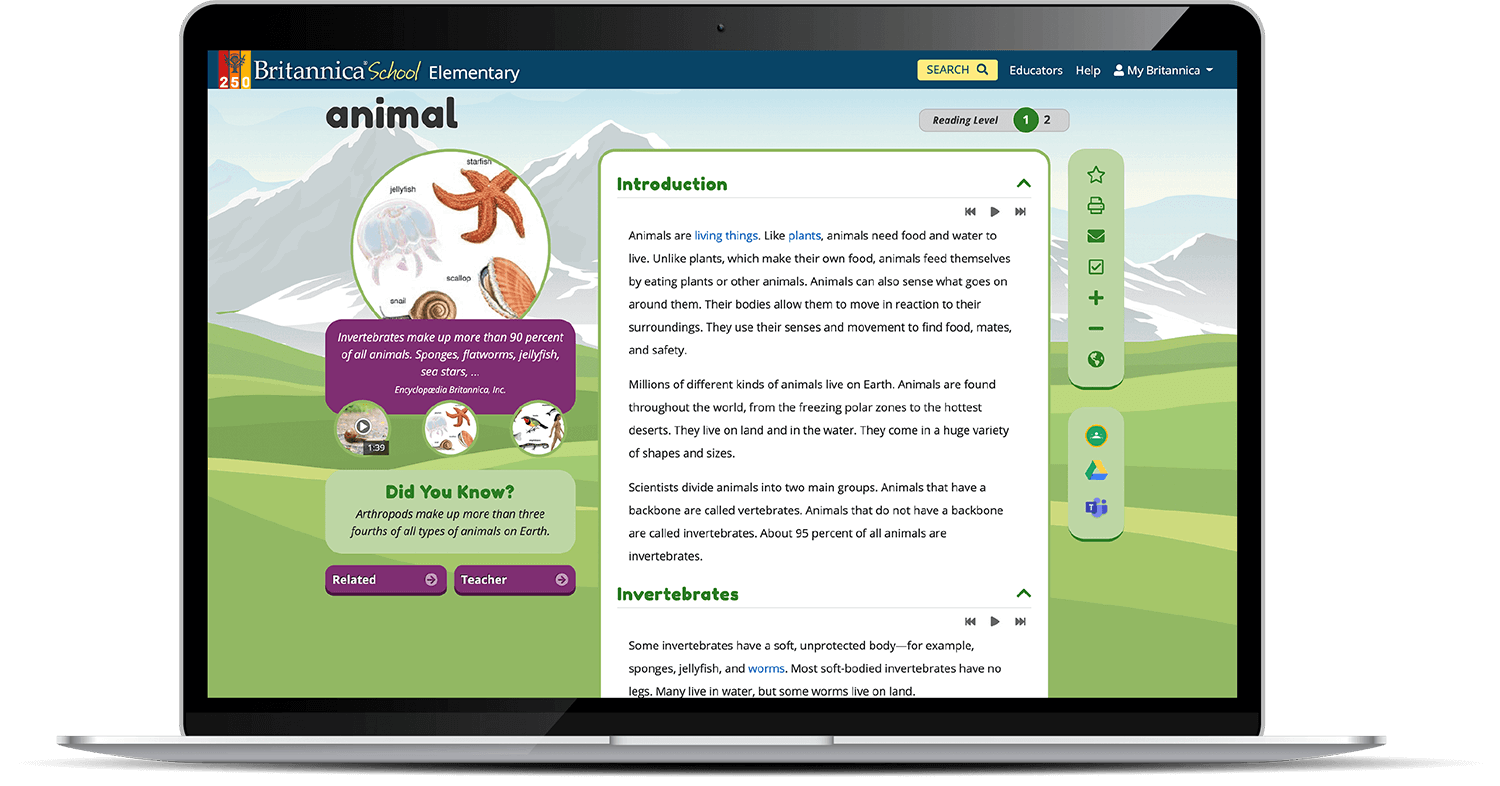
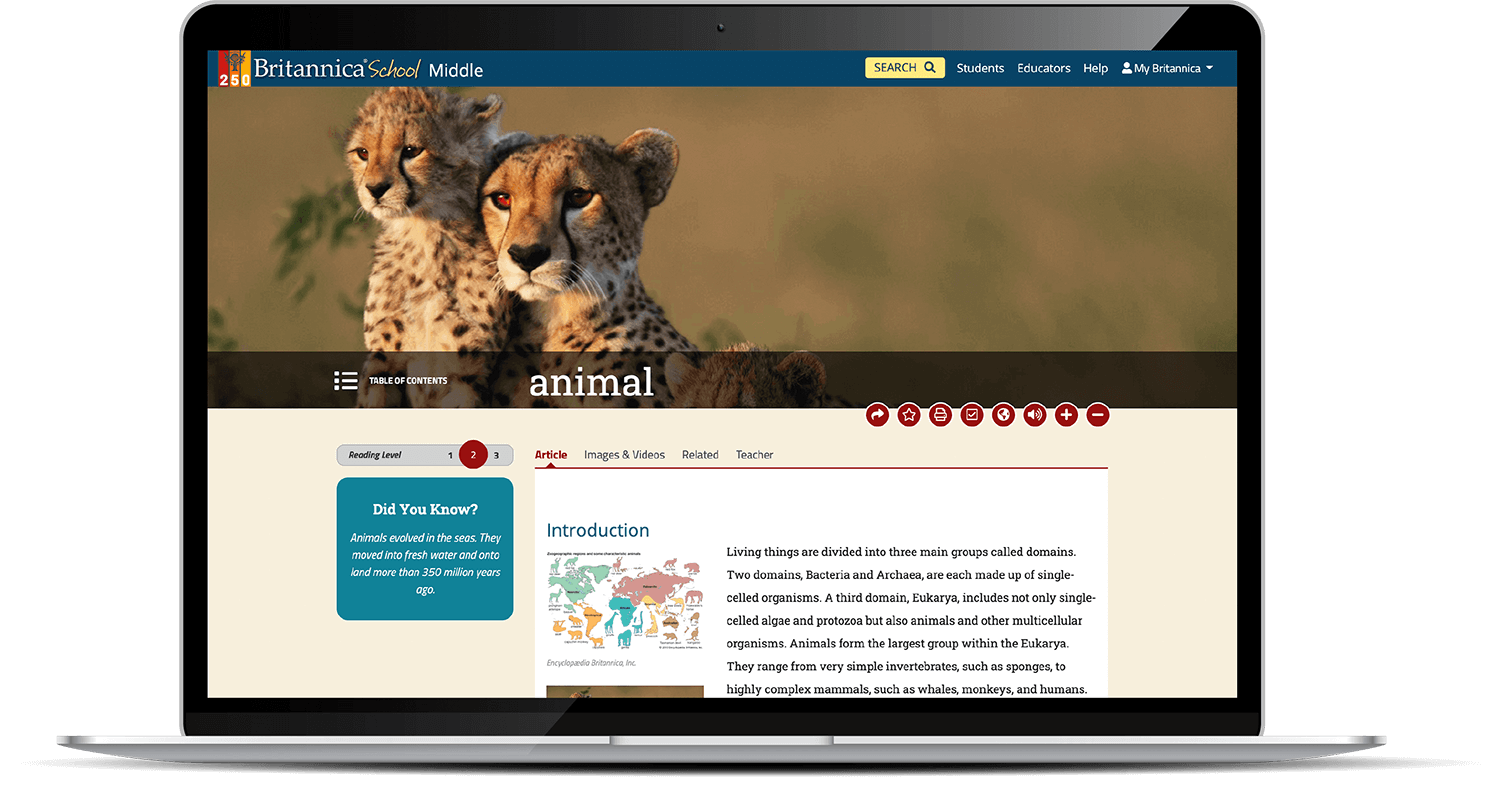
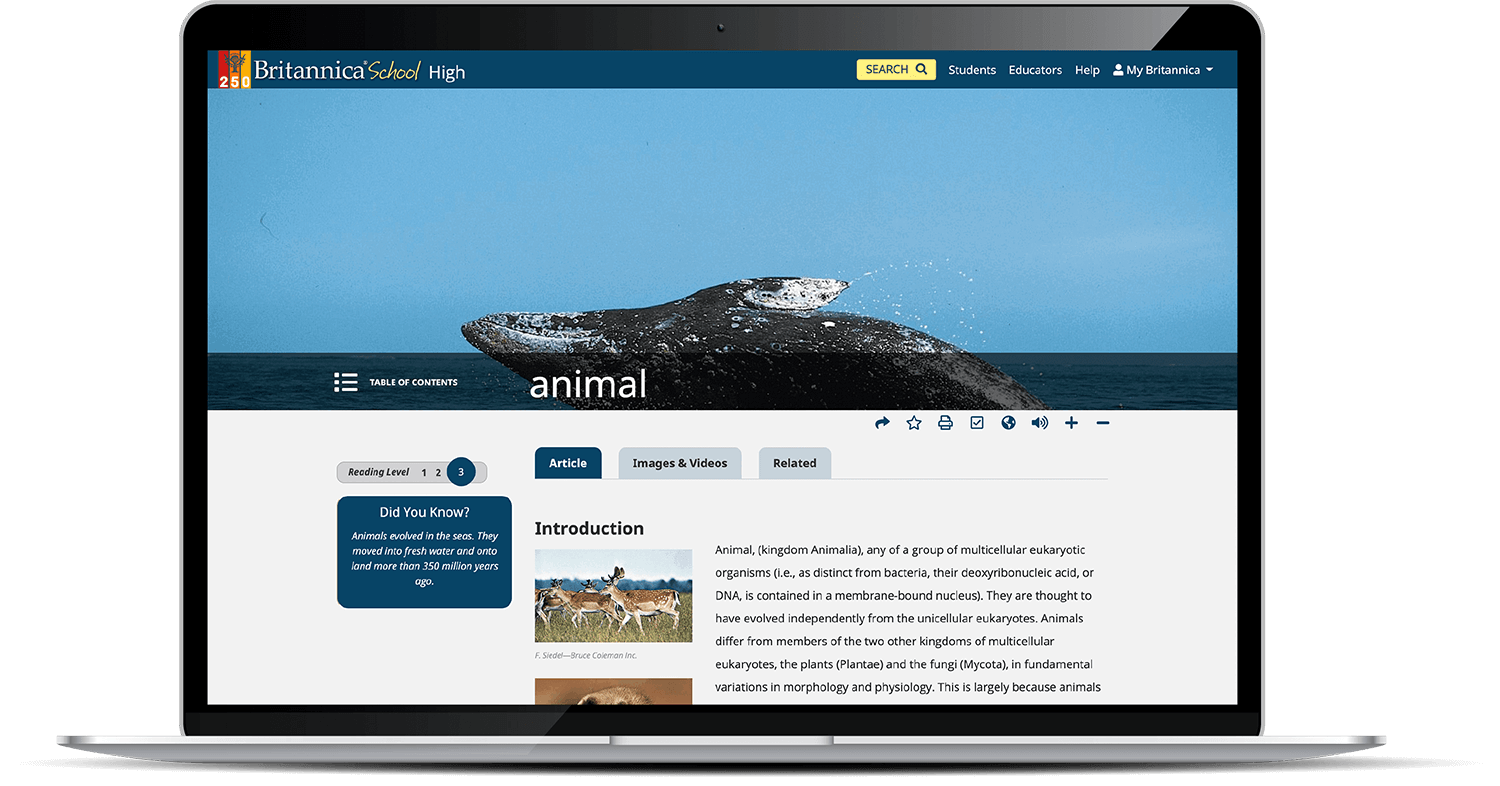
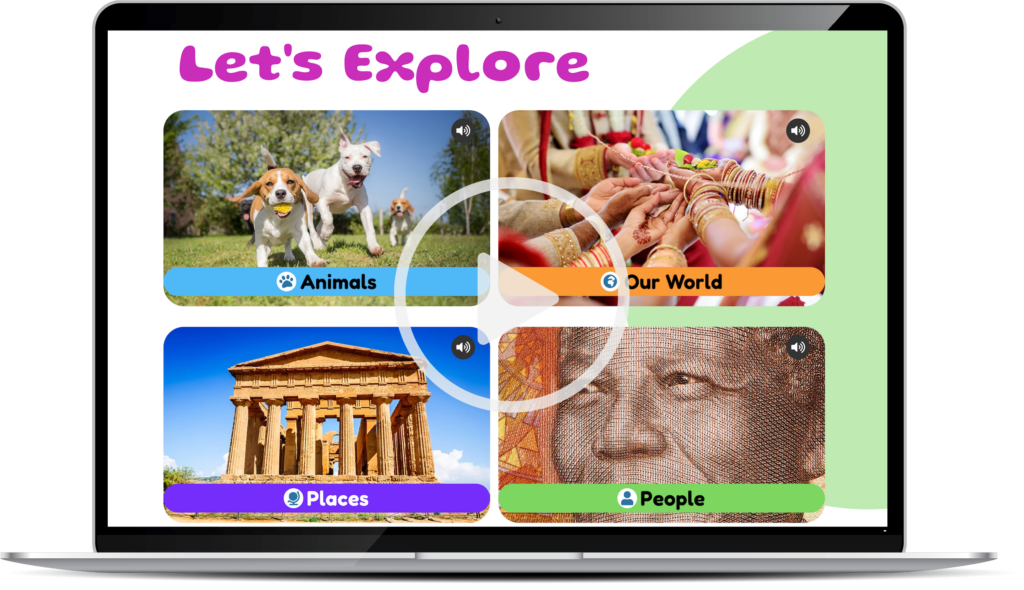
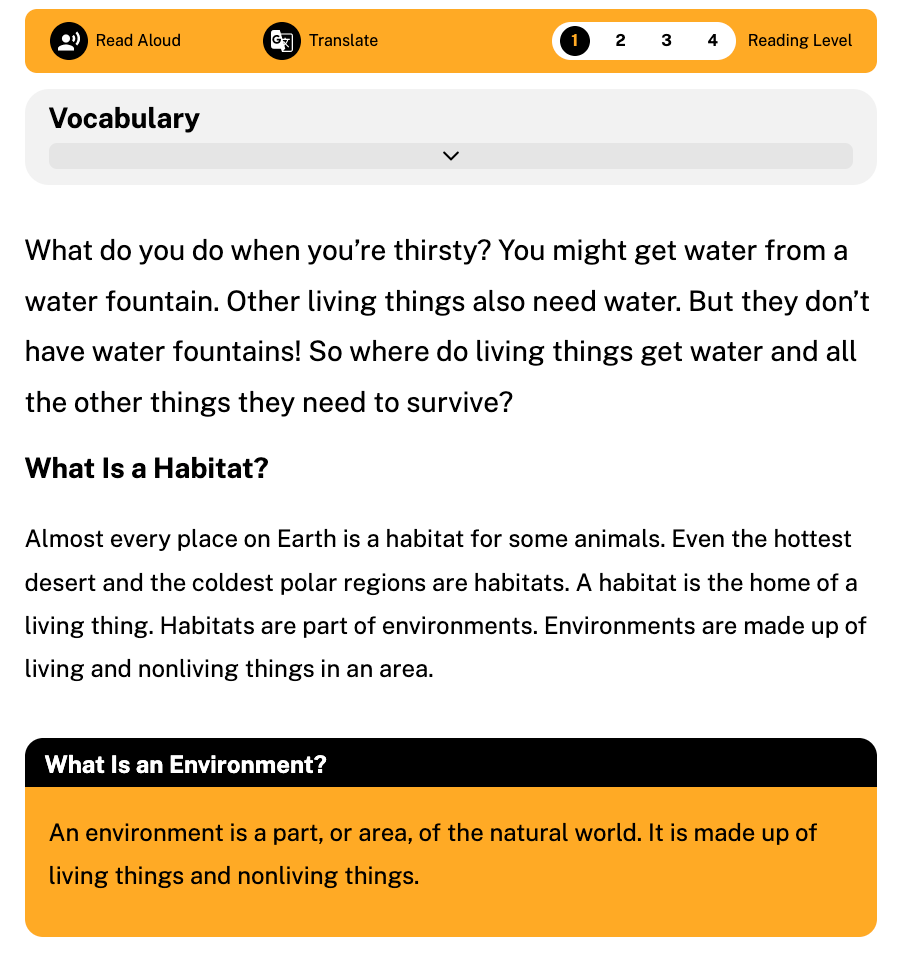
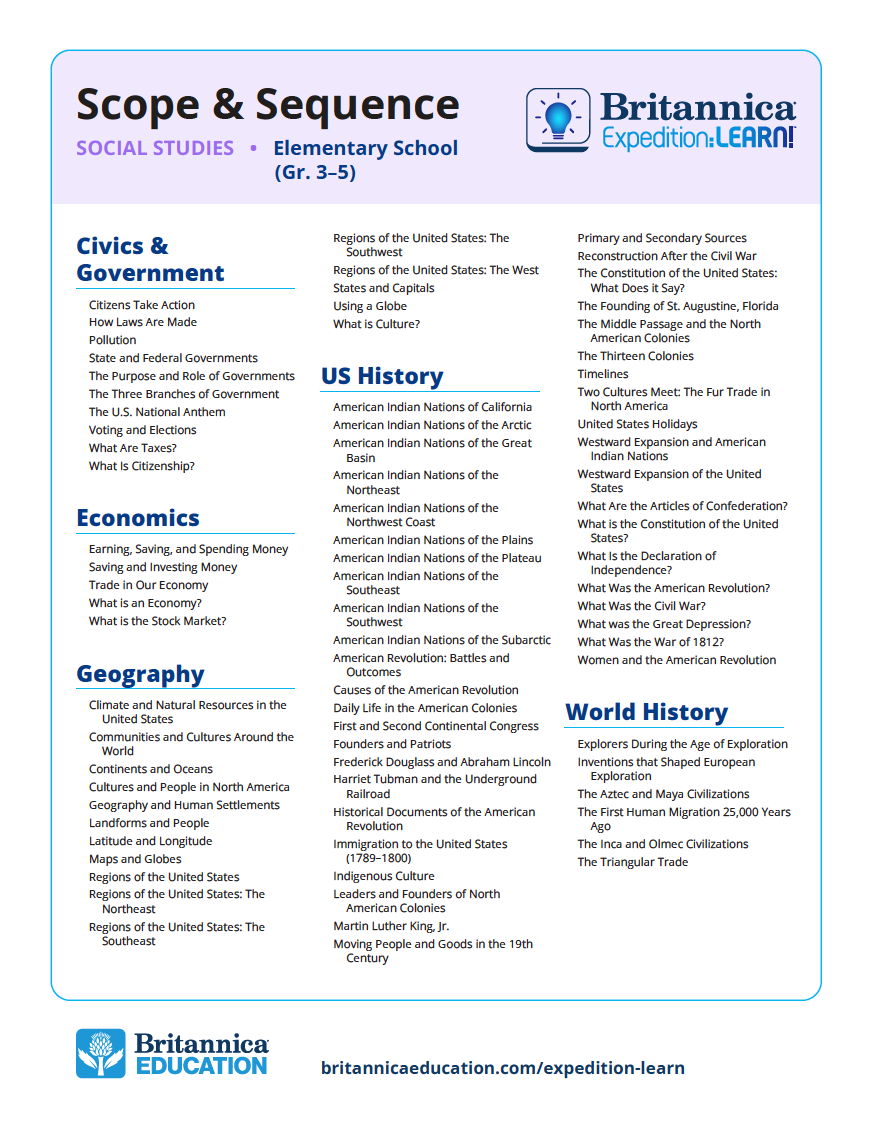
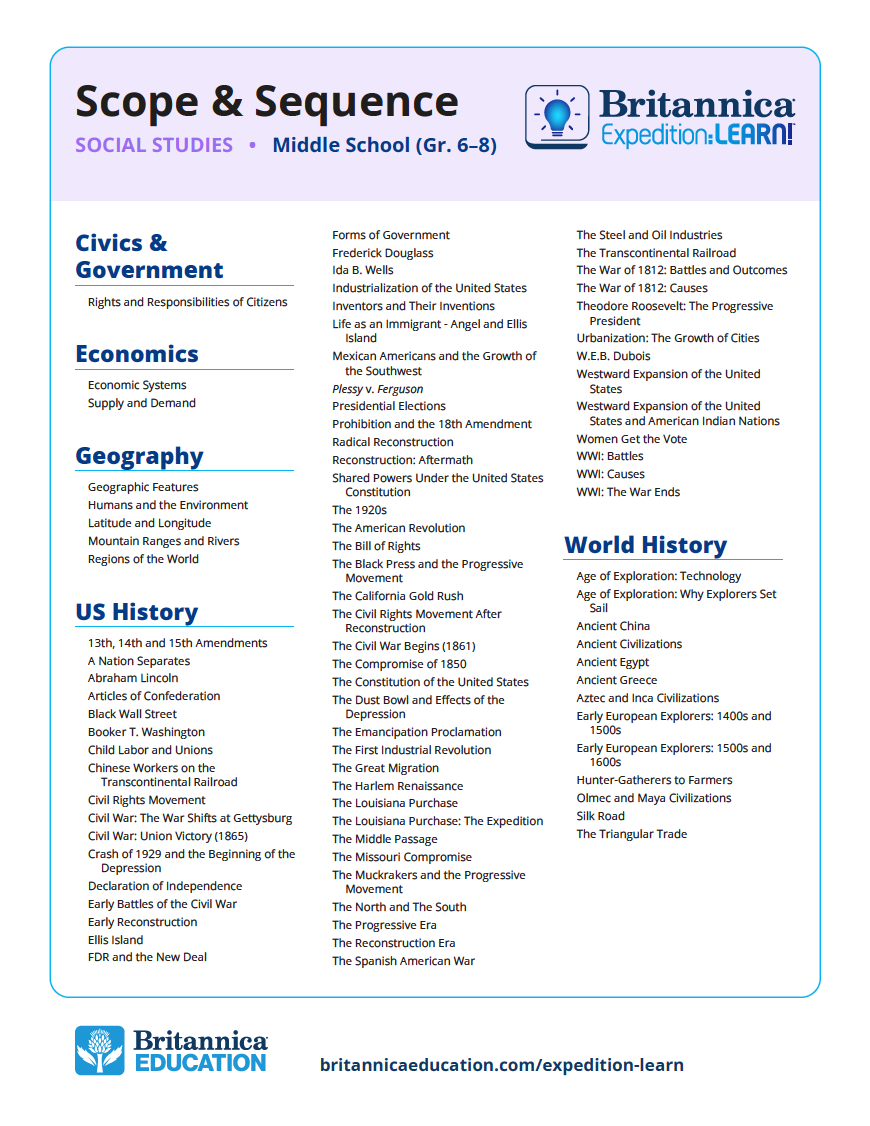
Three user-friendly interfaces—Elementary, Middle, and High—make it easy to select the portal appropriate to each student’s reading, grade, and age level.
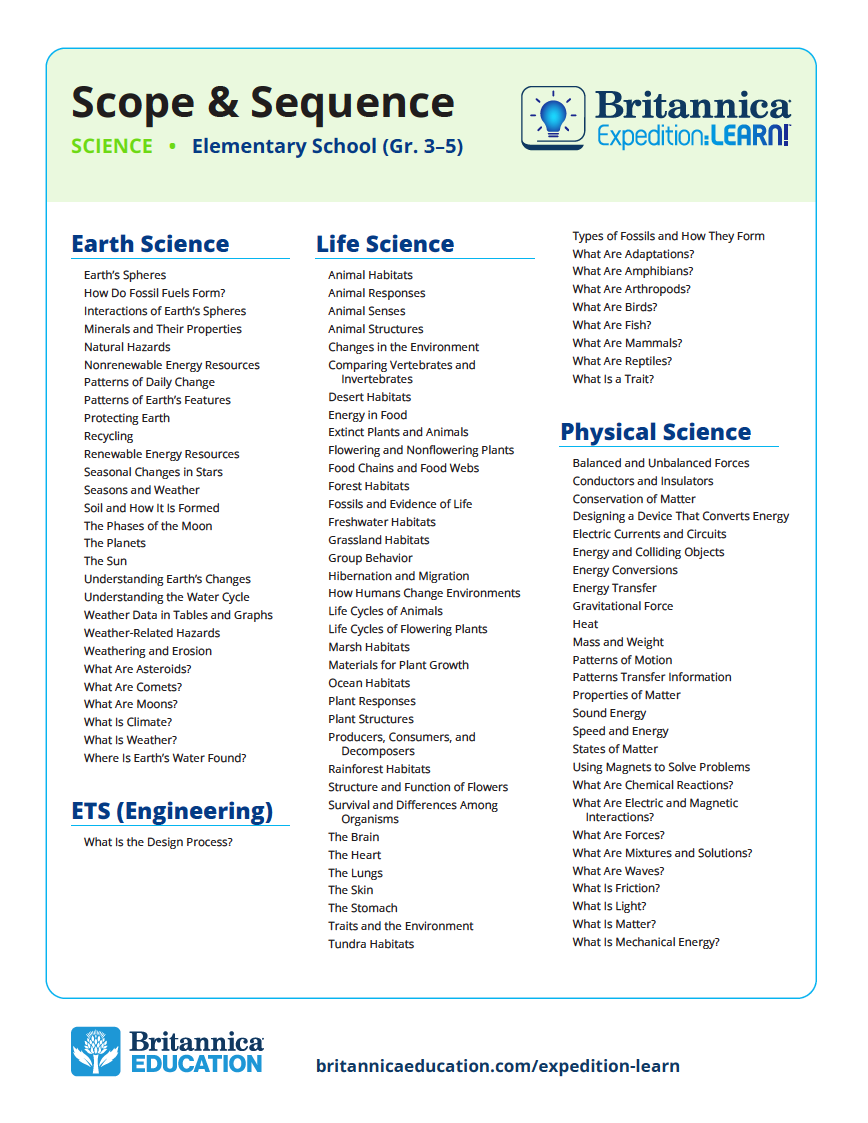
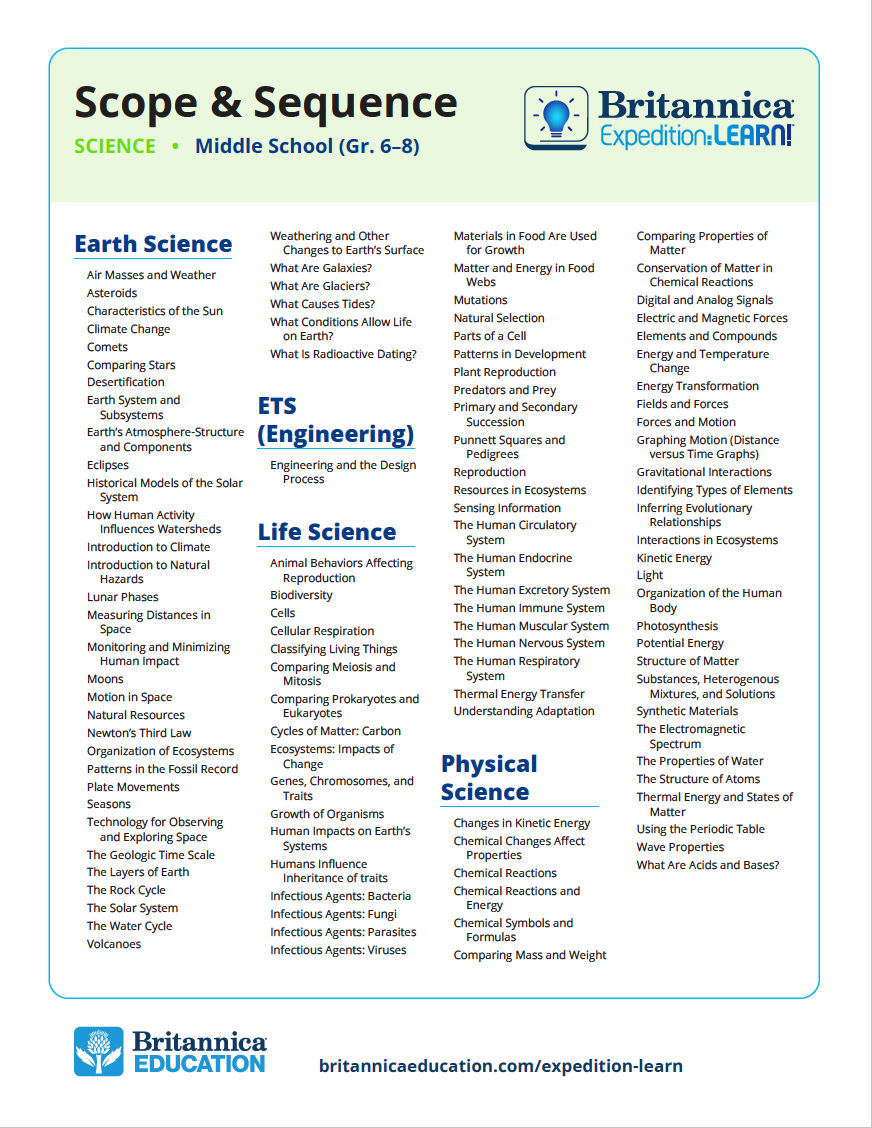
Nonfiction Content Aligned to the Common Core and State Standards

Informational text selections are written, edited, reviewed, and updated regularly by the world’s leading content experts. Thousands of new articles, images, and multimedia elements are added every quarter.

Interactivity with an Instructional Purpose

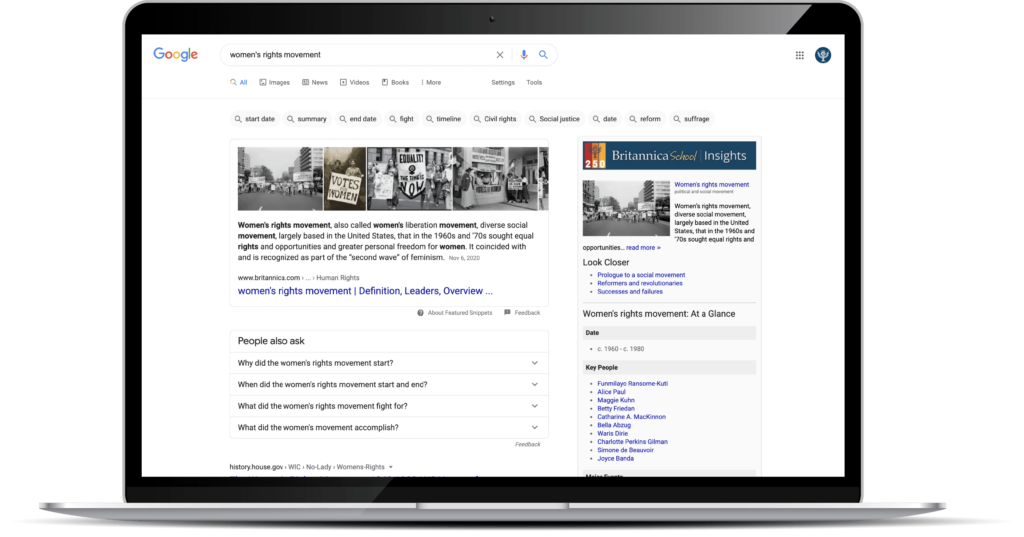
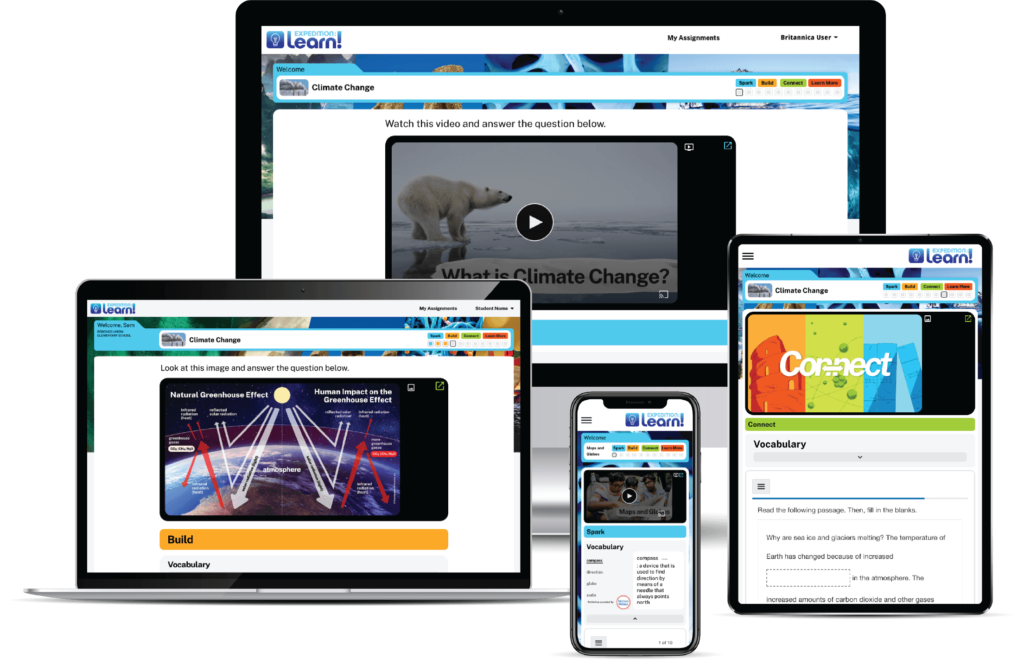
Students and teachers can easily search, tag, save, and share content. The Lesson Plan Builder helps create interactive activities for small and large groups. Enjoy viewing content on a tablet, smartphone, laptop, desktop computer, or any Internet-connected device with a Web browser.

Awards And Accolades

“These highly interactive, pleasingly simple and inviting, and easy-to-access grade level resources work with and for users…The differentiated instruction and PreK-12th grade Common Core content-rich, lively material make Britannica School a highly recommended database that is relevant in the digital age.”
School Library Journal, February 2013

“The combination of a stylish, user-friendly interface with high-quality, interactive content makes this a must-consider choice…”
Booklist Starred Review, November 2012

  •    

Common Core Standards

  • Read and comprehend informational texts with increasing complexity.
  • Provide challenging informational texts in a range of subjects.
  • Integrate and evaluate content presented in diverse forms of media.
  • Build academic and domain-specific vocabulary.
  • Make strategic use of digital media and visual displays to express information and enhance understanding.
  • Conduct short as well as more sustained research projects.
  • Gather relevant information from multiple print and digital sources.
  • Analyze how two or more texts address similar themes or topics in order to build knowledge or to compare.